Key Takeaways
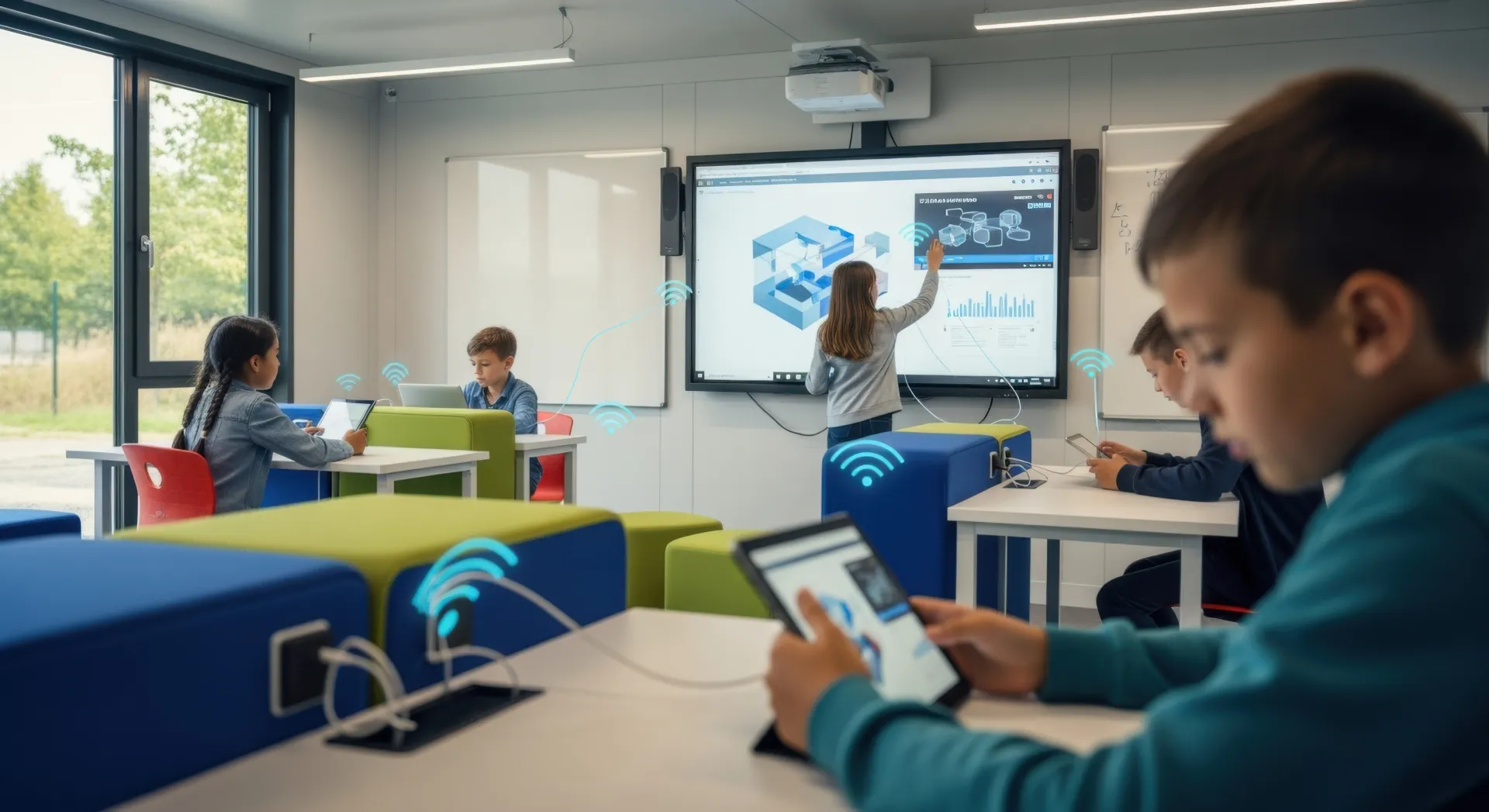
- Kansas Commissioner of Education Dr. Jake Steel presented an initial policy draft regarding technology and device usage at the Tuesday, Sept. 8, Kansas State Board of Education meeting followed by full discussion Wednesday, Sept. 9.
- The draft states that the State Board “believes technology should only serve as a tool to enhance instruction and learning rather than replace effective instructional practices and meaningful human interaction.”
- The State Board wants the policy to be readily accessible to the public, but they continued to discuss whether the full policy would need to be submitted to and reviewed by the Kansas State Department of Education (KSDE).
By Anna Moon Bradley
Director of KNEA Teaching and Learning
Kansas State Board of Education members continued their consideration of technology and device usage guidance during their September meeting earlier this week.
Kansas Commissioner of Education Dr. Jake Steel presented an initial policy draft at the Tuesday, Sept. 8, meeting followed by full discussion Wednesday, Sept. 9.
The draft states that the State Board “believes technology should only serve as a tool to enhance instruction and learning rather than replace effective instructional practices and meaningful human interaction.”
The draft discusses the importance of technology as a tool to enhance quality instruction and student learning, but it also recognizes the need for assistive technology when needs are documented, as well as technology used for assessments, screeners, diagnostic and progress-monitoring tools.
School districts will be directed to “adopt and implement a policy governing the effective and intentional use of instructional technology” that addresses the following:
- Purpose and intended use of technology.
- Student Technology Access and Use, including availability.
- Expectations for student use.
- Take-home access.
- Digital citizenship and student well-being.
- Artificial Intelligence (AI).
- Privacy and security.
- Technology-use expectations and violations.
The State Board wants the policy to be readily accessible to the public, but they continued to discuss whether the full policy would need to be submitted to and reviewed by the Kansas State Department of Education (KSDE).
Another point of significant discussion has been the role of parents and caregivers. The State Board agrees that parents and caregivers should have a role in creating their local school district’s policy and plan and be engaged and informed about their students’ use of technology.
However, they disagree about the parent/caregiver verification process – opt in vs. opt out. Parents and legal guardians already have the right to opt out their students from various school processes.
State Board member Michelle Dombrosky said, “parents are superior,” and she will continue to advocate for the policy to include the opt-out provision and informing parents and caregivers of their right to do so.
State Board member Danny Zeck has been direct in his support of an opt-in provision by which students would not use any technology unless the parents and caregivers have opted in for that.
State Board member Jim Porter explained that equity is an issue for many students.
“I’m not concerned about the parents who are engaged who choose to opt in or opt out,” he said. “I’m concerned about the parents who never get to see the form.”
Porter was citing various examples of parents who work multiple jobs, grandparents raising their grandchildren, lack of a responsible adult in a home and unhoused students.
Steel said that much of the burden will fall back on educators and administrators if the opt-in provision is maintained.
KNEA members who were part of a focus group this summer had an opportunity to discuss technology in the classroom with State Board member Melanie Haas. They shared how technology and school-issued devices are used in their classrooms. Discussion included:
- KSDE technology standards.
- Challenges of technology time limits.
- Definition of one-to-one devices and usage at various levels.
- Digital citizenship and computer usage basics.
- Technology resources and infrastructure.
- Role of parents/caregivers.
Haas did share some of those ideas during the discussion of the policy draft during the September State Board meeting.
State Board members will see a revised draft of the policy at their October meeting. They intend to act no later than the November meeting.
KNEA Focus Group Members Share Experience with Board Member
KNEA members who served on a focus group this summer shared how technology and school-issued devices are used in their classrooms with State Board member Melanie Haas. This allowed Haas to highlight some of these experiences with her fellow board members.
From joining a focus group, to volunteering at the Statehouse during the Legislative session or running for office, there are many opportunities for you to be active in your union.
For more information, check out knea.org/collective-action/get-involved.