We Are the Union
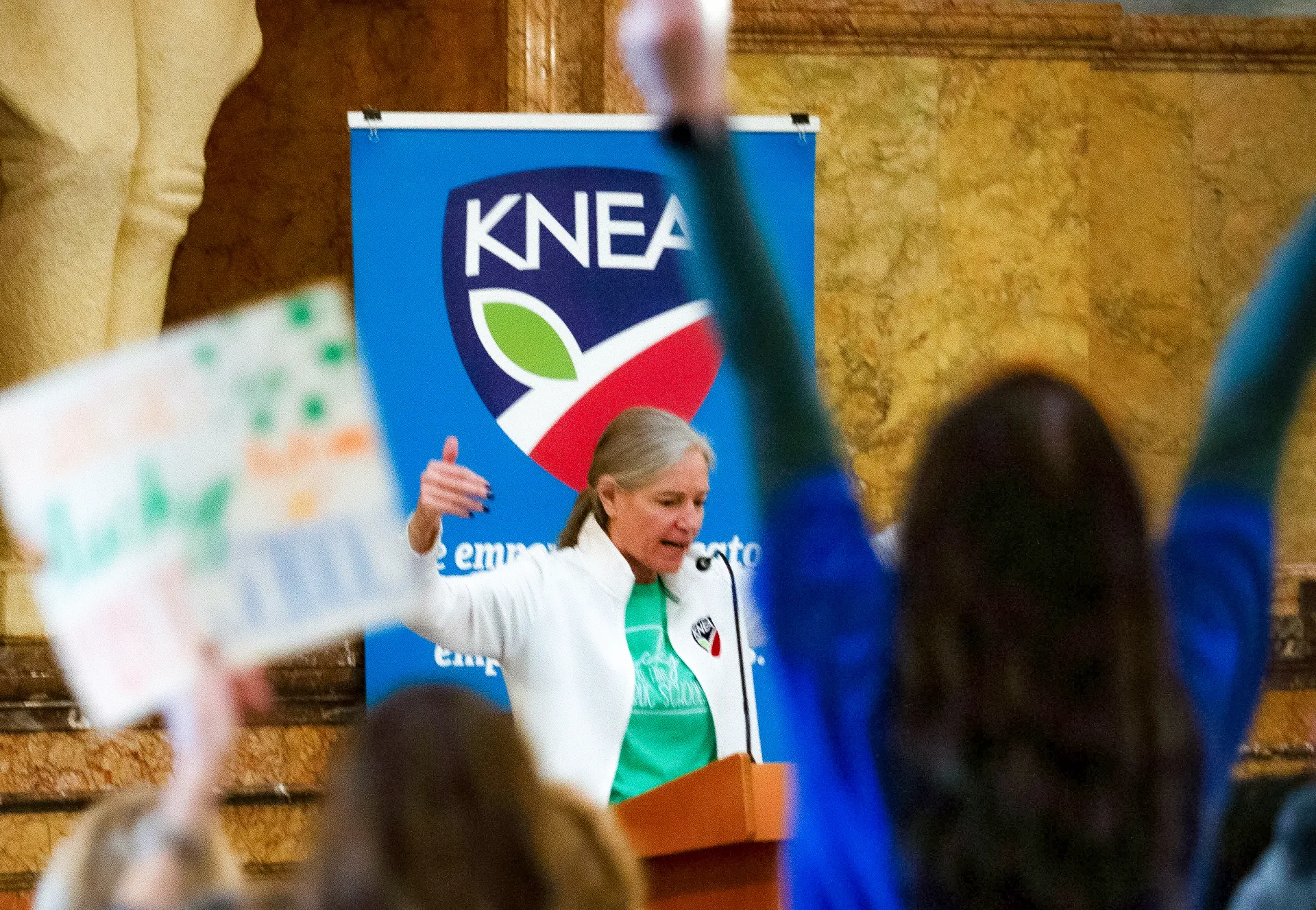
We are a community of educators, parents and community members working together for students and public schools. Together, KNEA members can make lasting and meaningful changes.
Through our union, we have more power to advocate for:
- Better working conditions.
- Better pay and benefits.
- Better learning conditions for our students.
If you want to change something at your school, in your district, in Kansas or even nationally, KNEA is your way to make that change a reality.
The History of the Kansas National Education Association: 1863-2026
Oct. 1, 1863
The beginning: Kansas State Teachers Association Formed
The Kansas State Teachers Association (KSTA) was organized at Leavenworth on Oct. 1, 1863. Isaac T. Goodnow was president, and 34 of the state's 564 educators attended. Three colleges also attended - The University of Kansas, Kansas State University and Emporia State University.
Dec. 28, 1876
KSTA Incorporated
KSTA incorporated and chartered by the state of Kansas for 99 years.
1874
Teacher Salaries
Kansas ranked 30th among states in teacher salaries.
1906
NEA Incorporated
While the National Education Association was started in 1857 as the National Teachers Association in Philadelphia, it was incorporated by an Act of Congress in 1906. By 1907, NEA had 5,044 members.
1911
Teaching Force in Kansas
There were 15,000 educators in Kansas.
1913-1916
KSTA Adopts New Constitution
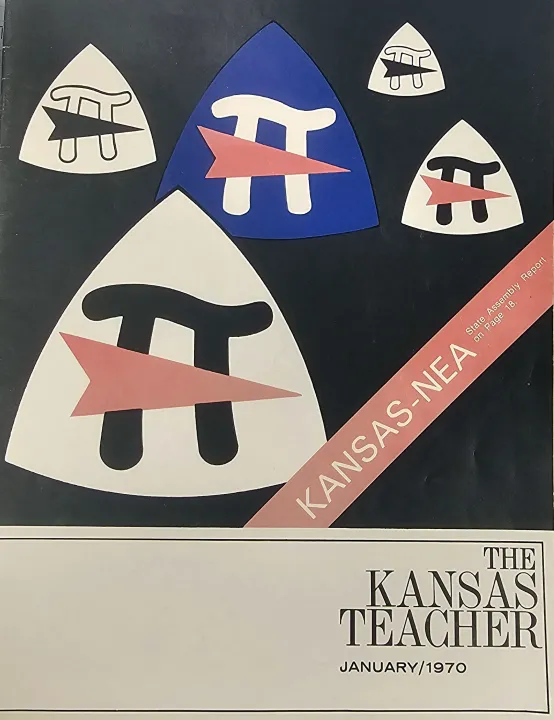
On Nov. 7, 1913, KSTA adopted a new constitution, and KSTA became the third state Association in the nation to establish a headquarters with a full-time executive secretary. KSTA was first administered from a seventh-floor office in the Mills Building in Topeka.
KSTA's education journal, The Kansas Teacher, was established. Publication continued until 1983.
1915
First Women Elected KSTA President
Lillian Scott of Baker University became the first woman elected as KSTA President.
1926
Reading Circle
The Reading Circle Adoption Committee Committee was established.
1936
KSTA Constitution Reform
KSTA Constitution of 1936 required one-third of board members to be classroom teachers. Teacher members demanded a greater emphasis on instruction, professional development and individual teacher rights in addition to lobbying for school finance and district/curriculum reorganization.
1947
KSTA's First Suggested Salary Schedule
KSTA recommended its first suggested salary schedule with a base of $2,400 and $3,600 after 12 years of experience.
1954
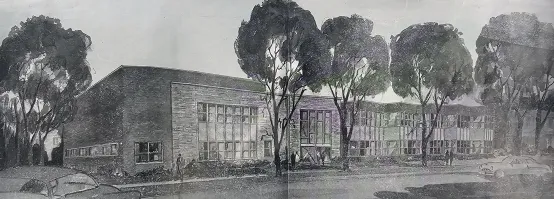
Topeka Headquarters Built
In 1954, KSTA moved to present-day KNEA Headquarters, 715 S.W. 10th. The cost to build was $325,000.
1958
Former KSTA President Becomes NEA President
Kansan Ruth Stouth Wright was named NEA President. She was KSTA president in 1947.
1960
Joining with NEA
KSTA Constitution required local Associations to be affiliated with the NEA, providing the first step toward unified membership.
1963
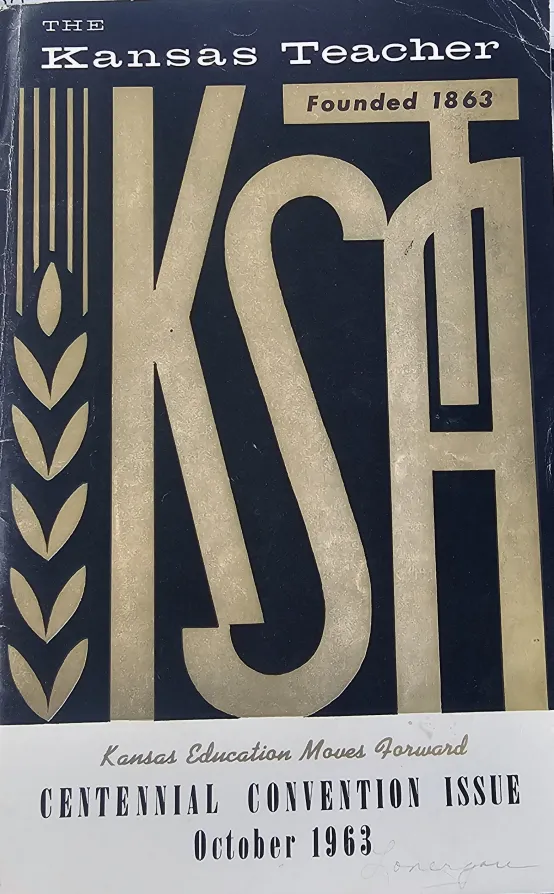
KSTA Celebrates Centennial
KSTA celebrated its centennial with a special convention and a special Centennial Issue of The Kansas Teacher.
1969
KSTA Becomes KNEA
At the 1969 KSTA Representative Assembly - with a vote of 184 to 181 - KSTA's name was changed to the Kansas National Education Association (KNEA).
1970
Lindsborg Becomes first UniServ District in United States
The first UniServ District in the nation was established in Lindsborg, Kansas. It served a 60- by 60-mile area. Today, there are 15 UniServ Districts in Kansas.
1975
NEA Opens Membership to Paraprofessionals
NEA opened membership to paraprofessionals in 1975. However, it wasn't until 1980 when Education Support Professionals gained full membership rights.
1982
NEA-Retired Program Created
The NEA-Retired program was created in 1982. With changes, the NEA became the nation's largest professional association and the nation's largest labor organization by 1985.
April 2026

KNEA Reading Circle Celebrates 100th Anniversary
The KNEA Reading Circle celebrated its 100th anniversary in 2026. To celebrate, KNEA served 300 cupcakes at the 81st annual KNEA Representative Assembly in April 2026 in Wichita. Free books were also distributed to attendees.
Union Resources
 1
1
5 Reasons Unions Matter
We are the loudest advocates for our schools, our students, and ourselves.
 2
2
Union Terms to Know
From “affiliate” to “UniServ,” being a part of a union comes with its own vocabulary. Here are a few words you should know.
 3
3
Get to Know Your Union Contract
Here are key provisions that educators ask about the most.
 4
4
Quiz: What type of union changemaker are you?
Discover your role to make change for students.
 5
5
The Power of Union Organizing
Aspiring Educators turn advocacy skills into collective action
 6
6
Newsflash: Unionized Faculty Get Paid More Than Non-Union Faculty
While faculty salaries increased slightly, on average, in 2025, new NEA research shows they still lag behind pre-pandemic salaries.