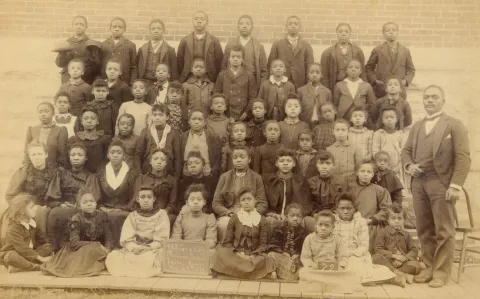
A United States Supreme Court decision in the Oliver L. Brown v. the Board of Education of Topeka in 1954 helped dismantle the legal basis for racial segregation in schools and other public facilities.
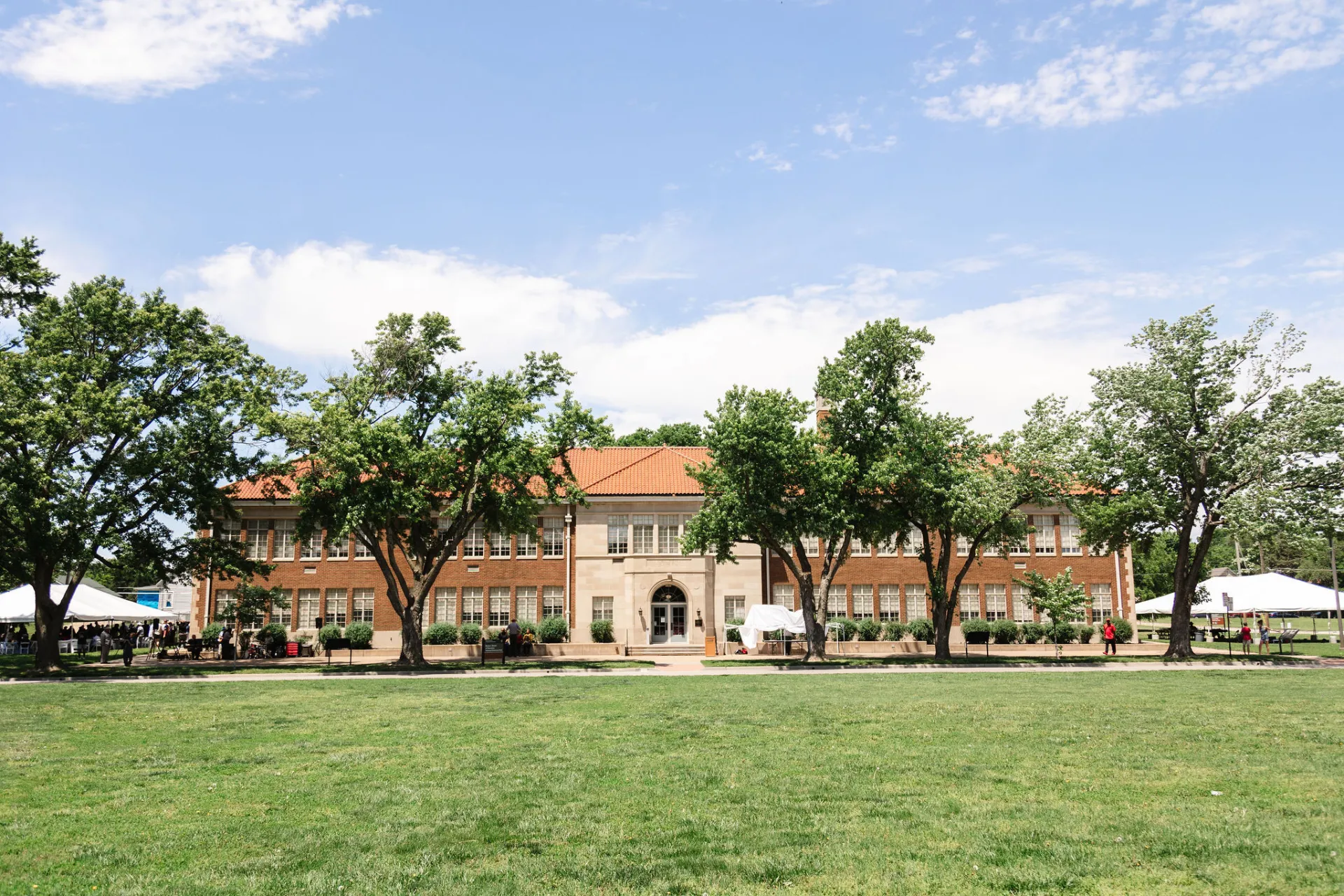
The Brown v. Board of Education National Historic Park, which is a unit of the National Park Service, opened in Topeka on May 17, 2004, which was also the 50th anniversary of the U.S. Supreme Court’s ruling in Brown v. Board of Education of Topeka. The historic site is located in the former Monroe Elementary School, one of Topeka’s four historically segregated black elementary schools.
Many people have heard the history behind Brown v. Board of Education. So, here is a brief timeline of how Monroe Elementary School, 1515 S.E. Monroe, became a national historic site. The information is compiled from the National Park Service:
1880-1954: First class cities in Kansas were permitted by law to segregate elementary schools for Black children.
1927: The current Monroe Elementary School was completed at the corner of S.E. Monroe and 15th Streets in Topeka. It replaced a four-room schoolhouse in the same location, which was razed.
Fall 1953: Anticipating a Supreme Court decision ruling in favor of the integration of public schools in the United States, the Topeka School Board adopted a graduated desegregation plan designed to integrate the city’s public schools by September 1955.
1975: Monroe School closed in 1965 due to failing enrollment. The school became a warehouse and parking lot for school buses and maintenance vehicles and was then as a community center.
1988: A local construction company purchased the building and used it as a warehouse.
1990: The old school was put up for auction. Fearing that the building would be razed, the Brown Foundation for Educational Equity, Excellence and Research sought out the Trust for Public Land, which purchased the building and lands in 1991.
1991: The Monroe Elementary School was designated a National Historic Landmark.
Oct. 26, 1992: President George W. Bush signed the Brown v. Board of Educational National Historic Site Act.
1993: Title to the school and grounds were conveyed to the National Park Service.
May 17, 2004: President Bush spoke at the dedication and grand opening.
May 12, 2022: President Joseph Biden signed into law the Brown v. Board of Education National Historical Park Expansion and Redesignation Act. It changed Brown V. Board from a historic site to a historical park. It also expanded the park to include sites related to the other four cases that were consolidated before the Supreme Court under Brown v. Board of Education Topeka.
Between 2004, when the site first opened to the site’s 20th anniversary in 2024, the national historic park had welcomed 400,000 visitors.
A celebration commemorating the 72nd anniversary of the landmark case is scheduled for May 17 at Townsite Topeka, 534 S. Kansas Ave. The banquet event will feature nationally recognized attorney Ben Crump, who received an Emmy Award for his documentary work. J. Ivy, a performance poet who has won three Grammy Awards and a Peabody Award, will also perform at the event.
Dive deeper: